Making a DIY power supply from an old stereo amp
2018-12-27
My electronics setup was missing one crucial component: a power supply!
For years I’d got by with an assortment of DC adaptors, LiPos, AAs, small buck/boost converters and linear regulators. But I had fried enough things without having a current limit.
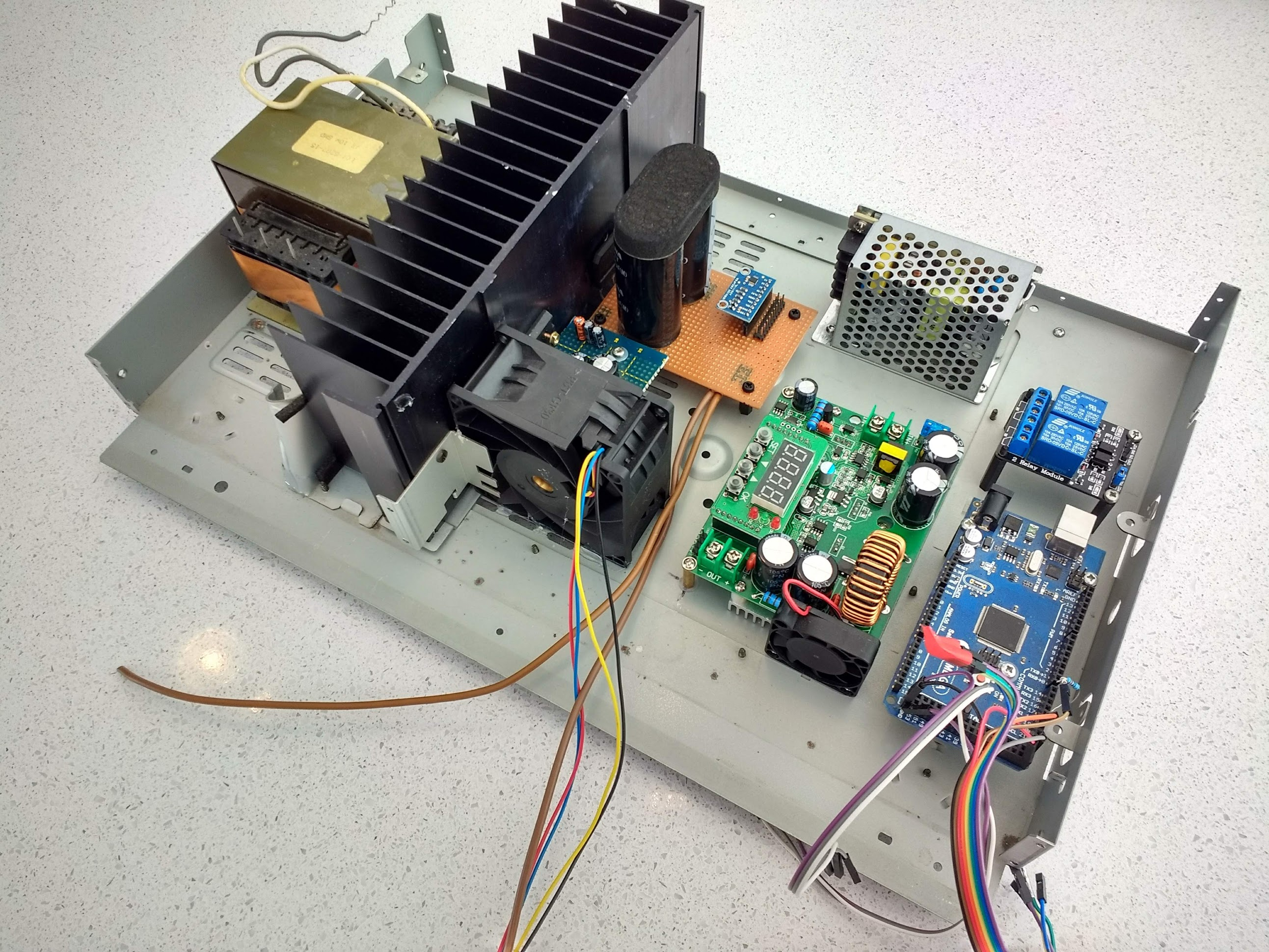
I decided to make my own, cos I wanted both linear and switched supplies.
Switched mode bench power supplies are great as they’re super efficient and can serve up buckets of power on demand.
But they can be pretty noisy. If you’re working on audio/RF stuff, the ripple of a switched mode supply is unhelpful.
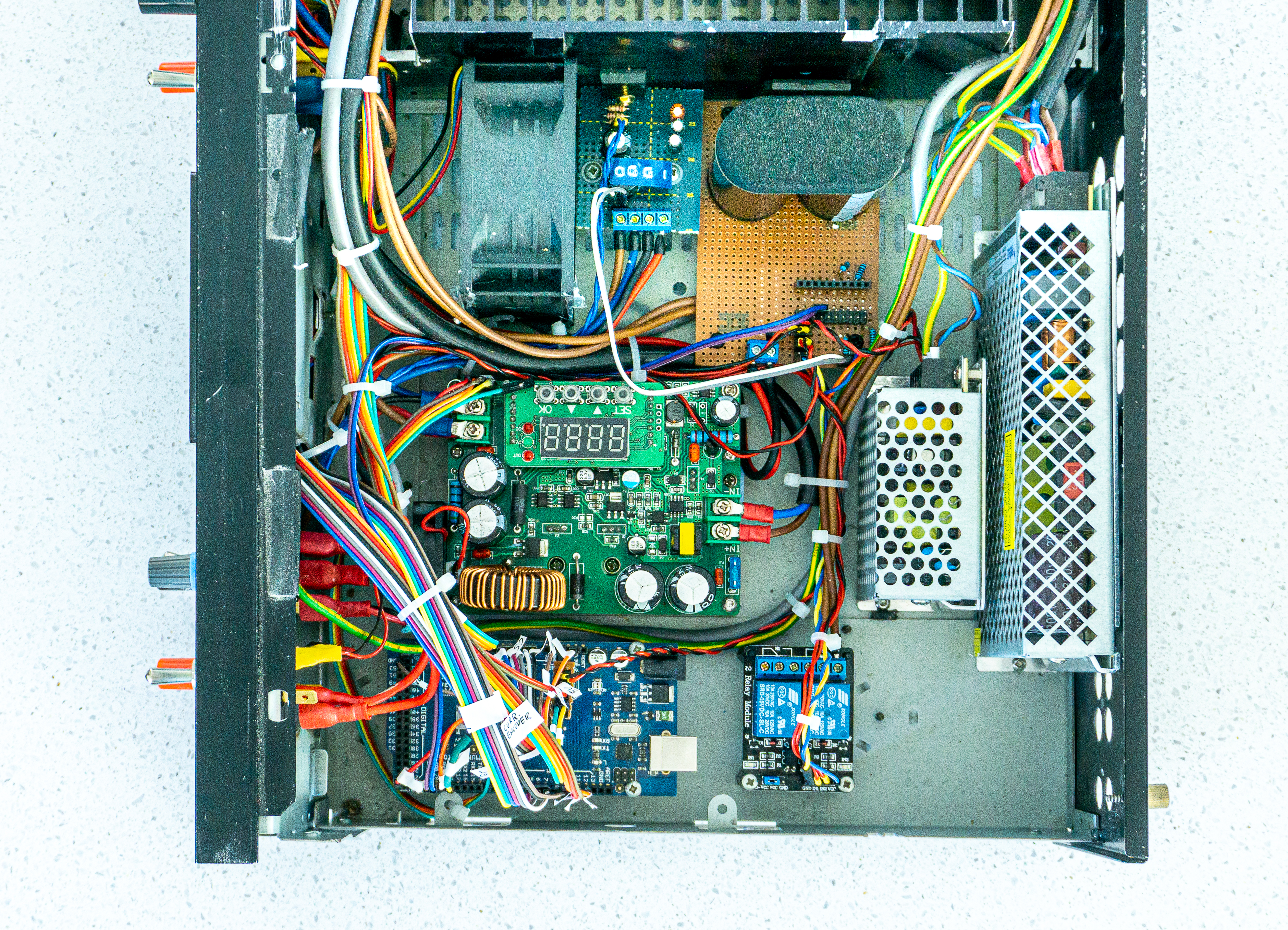
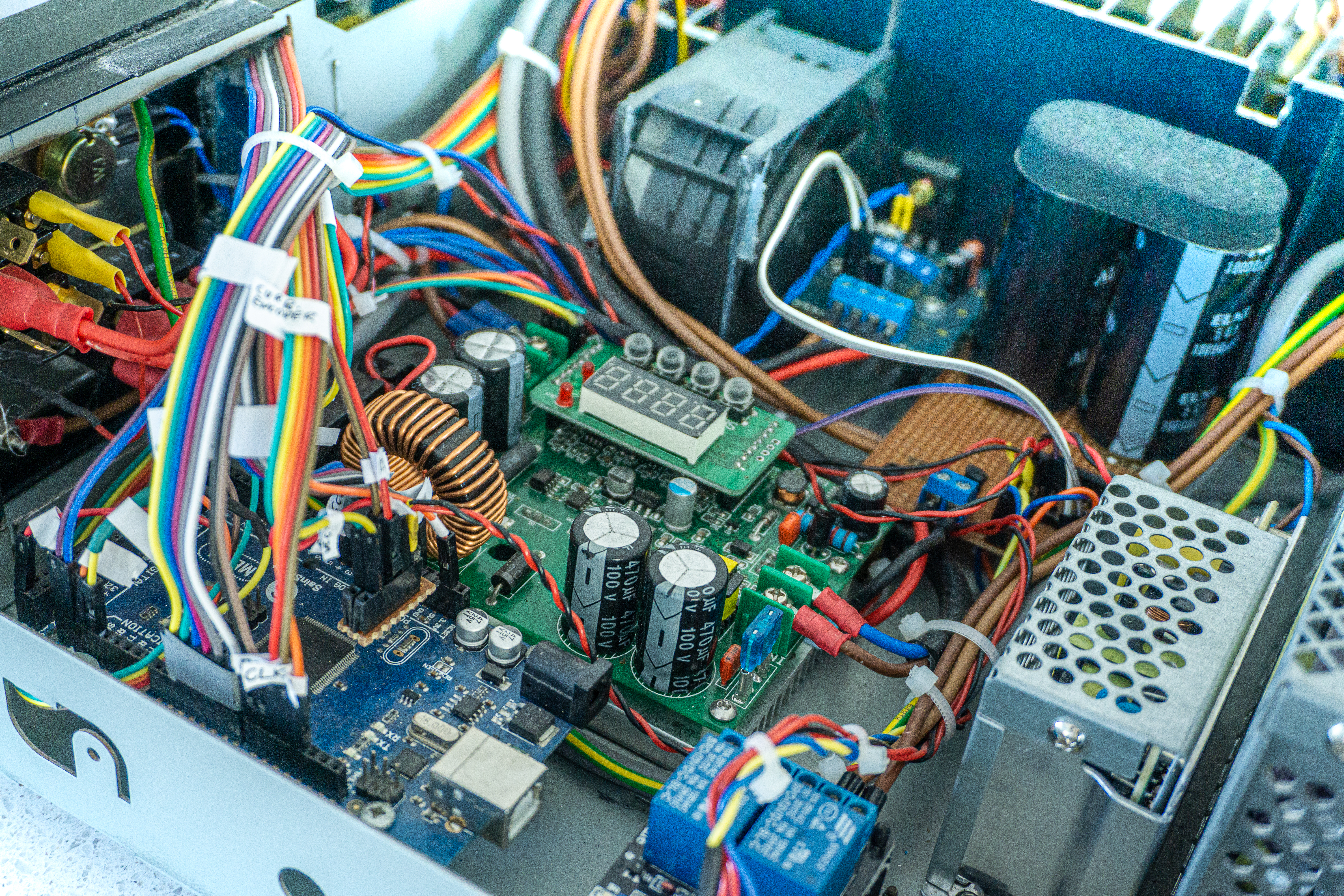
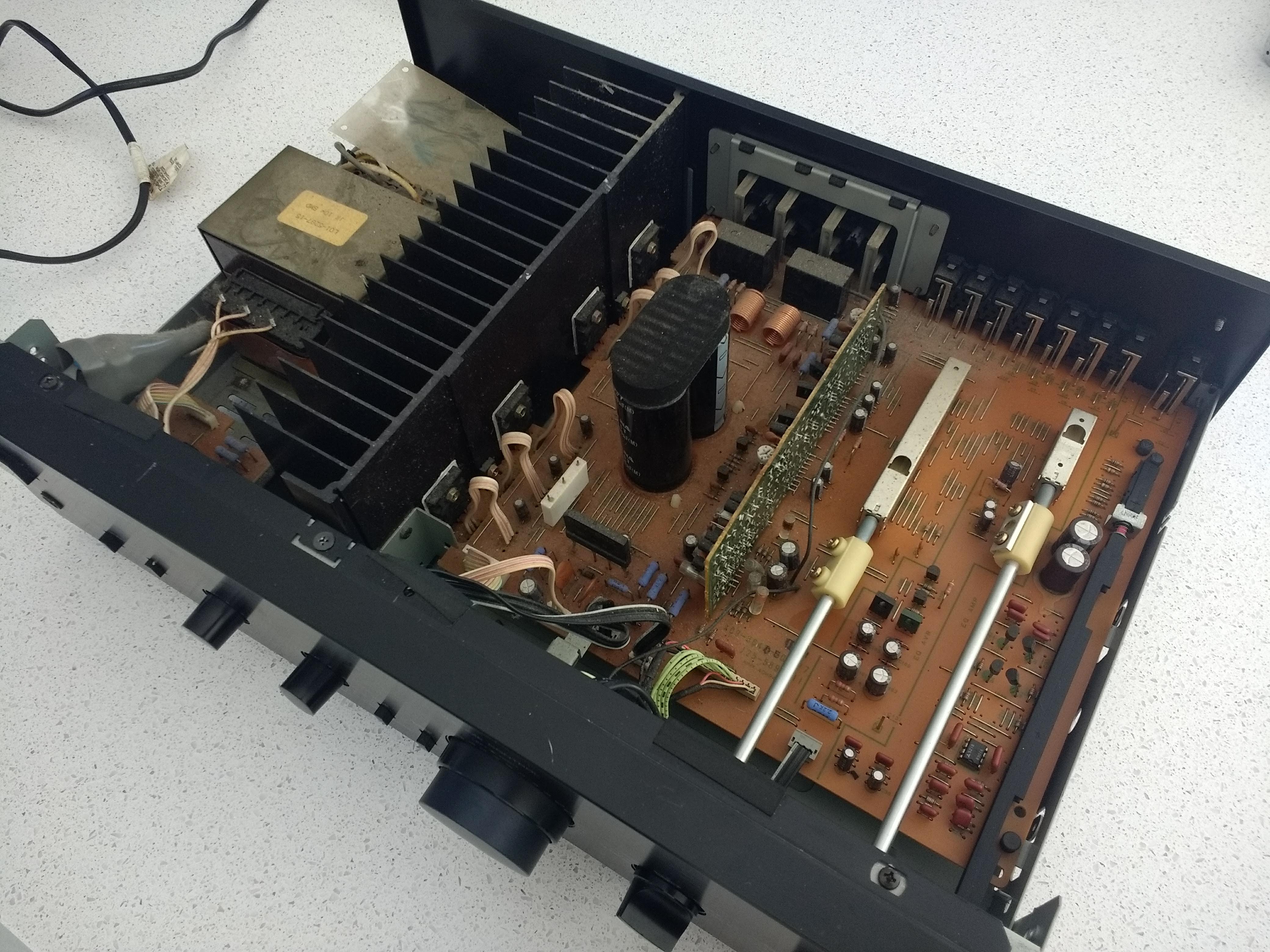
I figured the cheapest rugged chassis I could easily get my hands on was a stereo audio amplifier. I picked up a faulty old Kenwood unit on ebay for less than £10. The nice thing about using an existing bit of electronics gear is that I could reuse the transformer and heatsink.
For the switched mode supply, I used this buck converter that I’ve written about previously; it has current limiting and a serial command port, making it easy to feed commands from an Arduino.
For the linear supply, I used a LT1083.
A 24V mains SMPS unit powers these two output stages normally, but there’s the option to switch their input to the 40V rectified transformer output if higher voltage is required. In general I tried to make the whole thing from fairly modular blocks which could be connected as required.
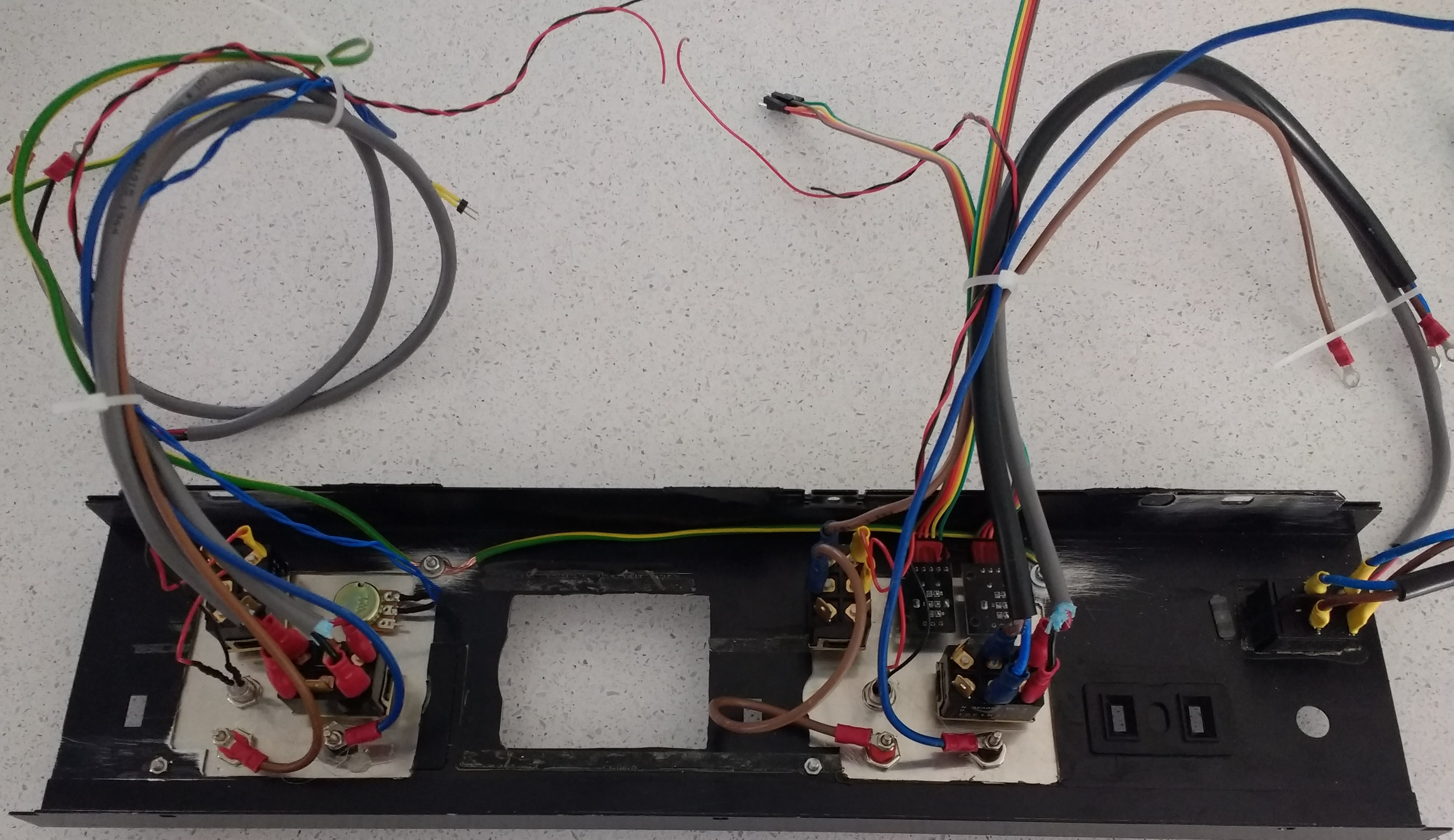
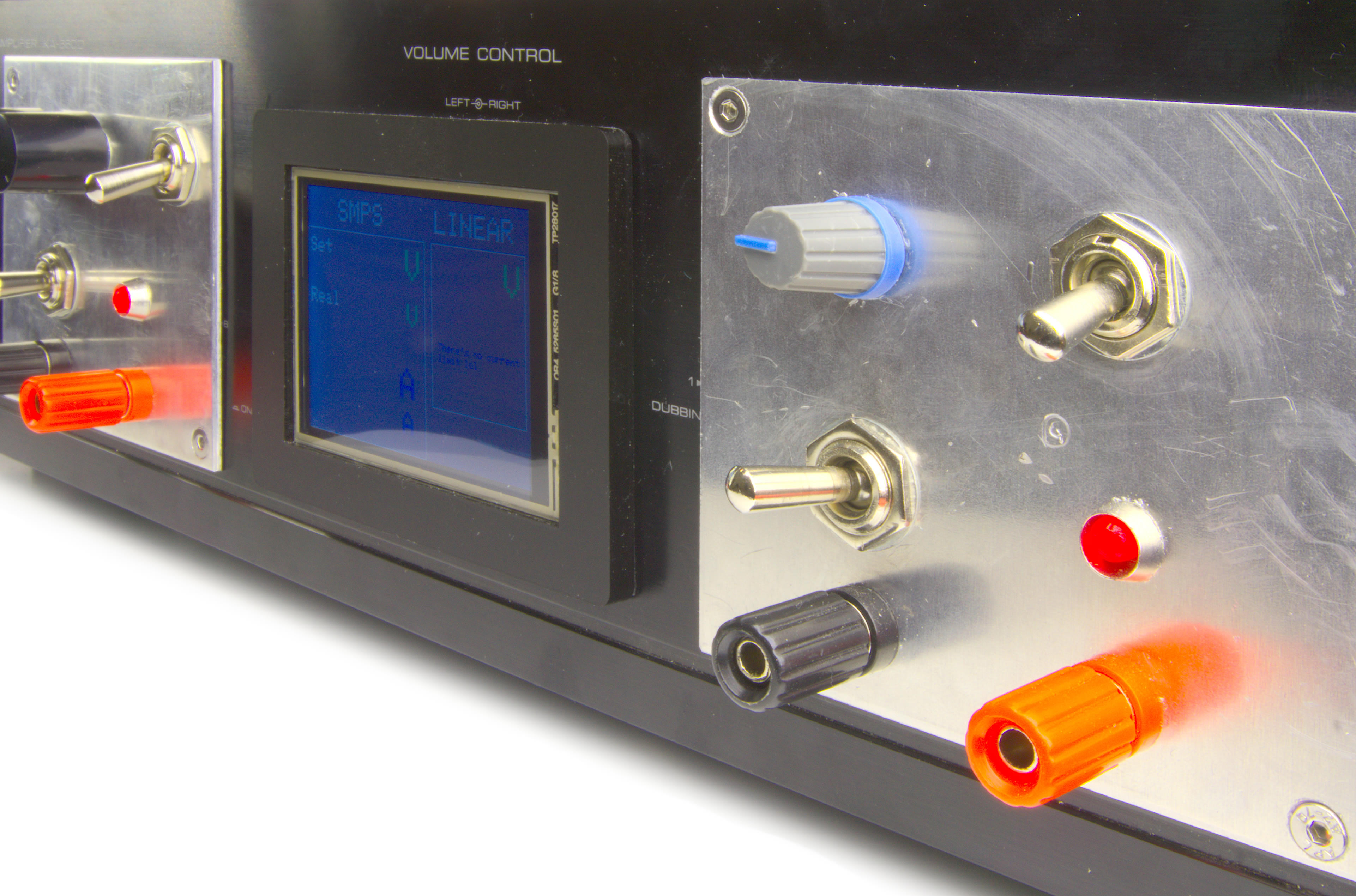
An Arduino mega is the brains, it provides the UI on a small TFT screen, sends commands to the buck converter, reads the front panel rotary encoders and samples some external ADCs to keep an eye on things.
This project was quite fun to build from a hardware point of view as it was just joining up the dots between different modules. Proper grounding had to be taken care of, since the original amplifier only had a line cord with no earth – as is typical of this type of audio gear. I fitted a kettle lead socket and grounded the chassis, but kept the switched mode and linear PSU floating.
From a software point of view there was nothing particularly complex going on, but getting all the different blocking IO tasks to run in a single-threaded control loop whilst remaining user-responsive took some time.